


Blog
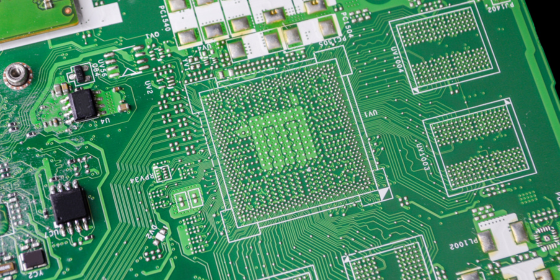
The PCB Fabrication Process
A step-by-step look at how PCBs are manufactured.
The PCB Fabrication Process
Read More
Editor's Picks
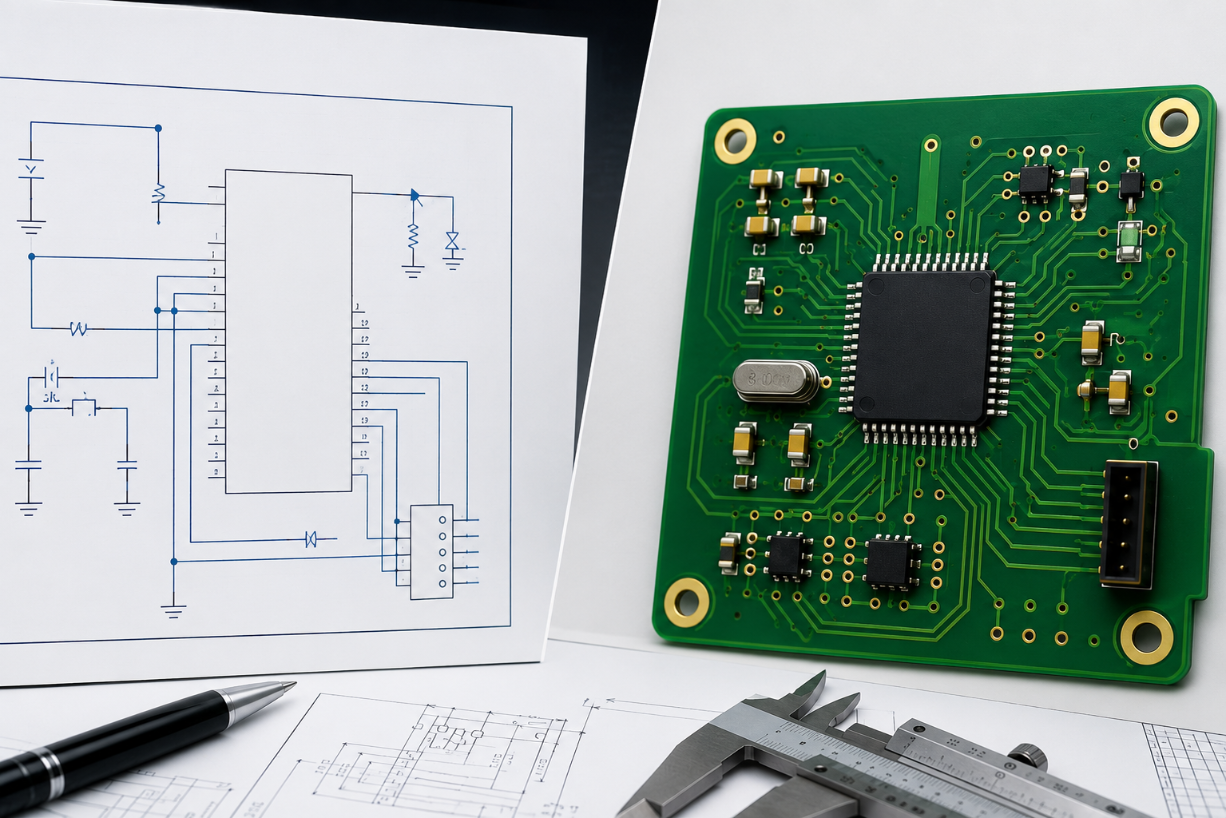
How to Keep Your Schematic and PCB Layout in Sync
Learn how to prevent schematic-to-PCB mismatches
How to Keep Your Schematic and PCB Layout in Sync
Read More

5 PCB Failures That Ground Drones, and How to Design Against Them
Learn the most common PCB failures in drone electronics, including vibration fatigue, thermal issues, RF interference, and thermal cycling, plus design strategies and IPC standards that improve UAV reliability.
5 PCB Failures That Ground Drones, and How to Design Against Them
Read More

RF Microwave PCB Design: Materials, Layout, and Manufacturing Best Practices
Learn RF microwave PCB design fundamentals including materials, impedance control, stackups, routing, testing, and manufacturing best practices.
RF Microwave PCB Design: Materials, Layout, and Manufacturing Best Practices
Read More
View All

AdvancedPCB Welcomes Gary Stoffer as Chief Commercial Officer

Welcome Tom Caldwell, AdvancedPCB's New Chief Financial Officer
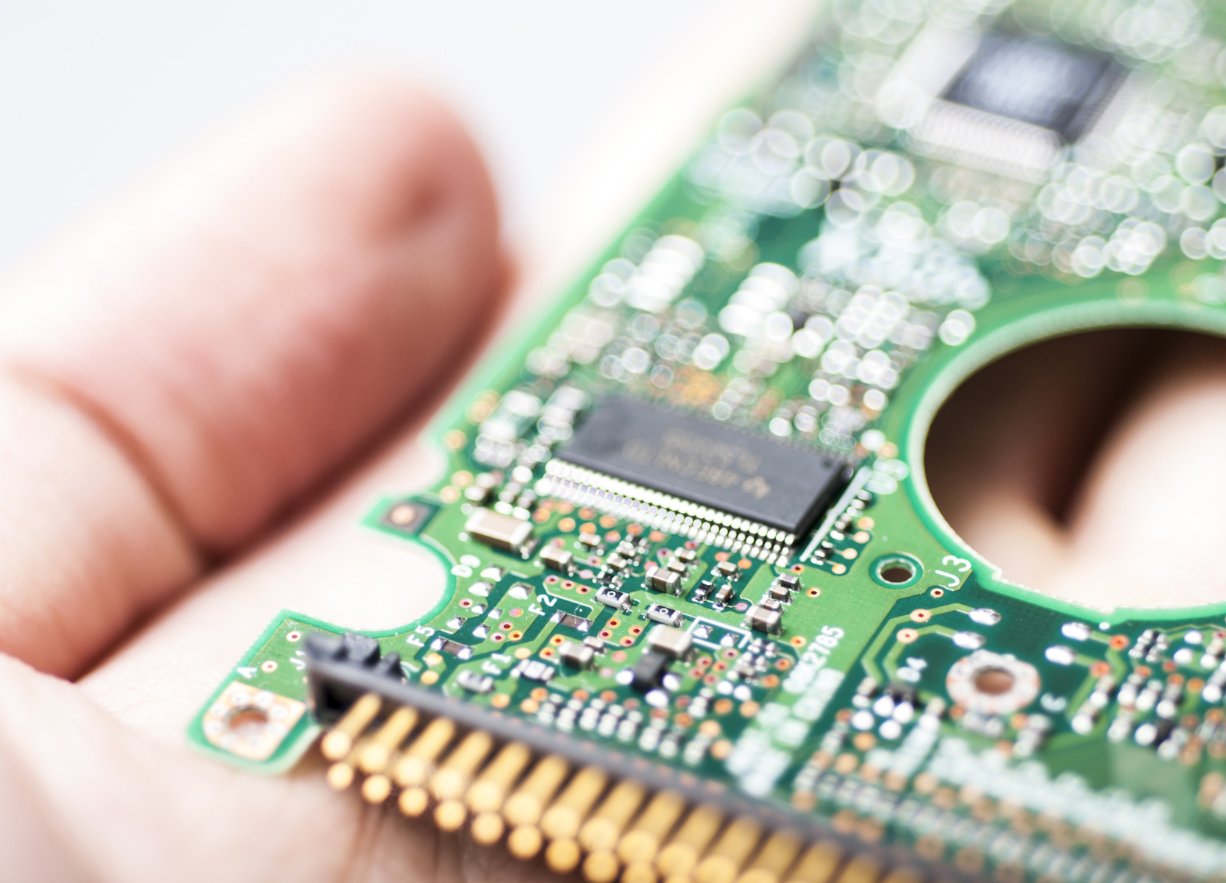
Circuit Card Assembly: A Comprehensive Overview

Welcome Gregory Halvorson, AdvancedPCB’s New CEO
d283.png)
Choosing a PCB Board with High Frequency Laminate for Optimal Performance
While PCB design has relied largely on the tried-and-true FR-4 substrate, many designs require more robust temperature or frequency performance to ensure their circuit performs optimally.
Choosing a PCB Board with High Frequency Laminate for Optimal Performance
Read More
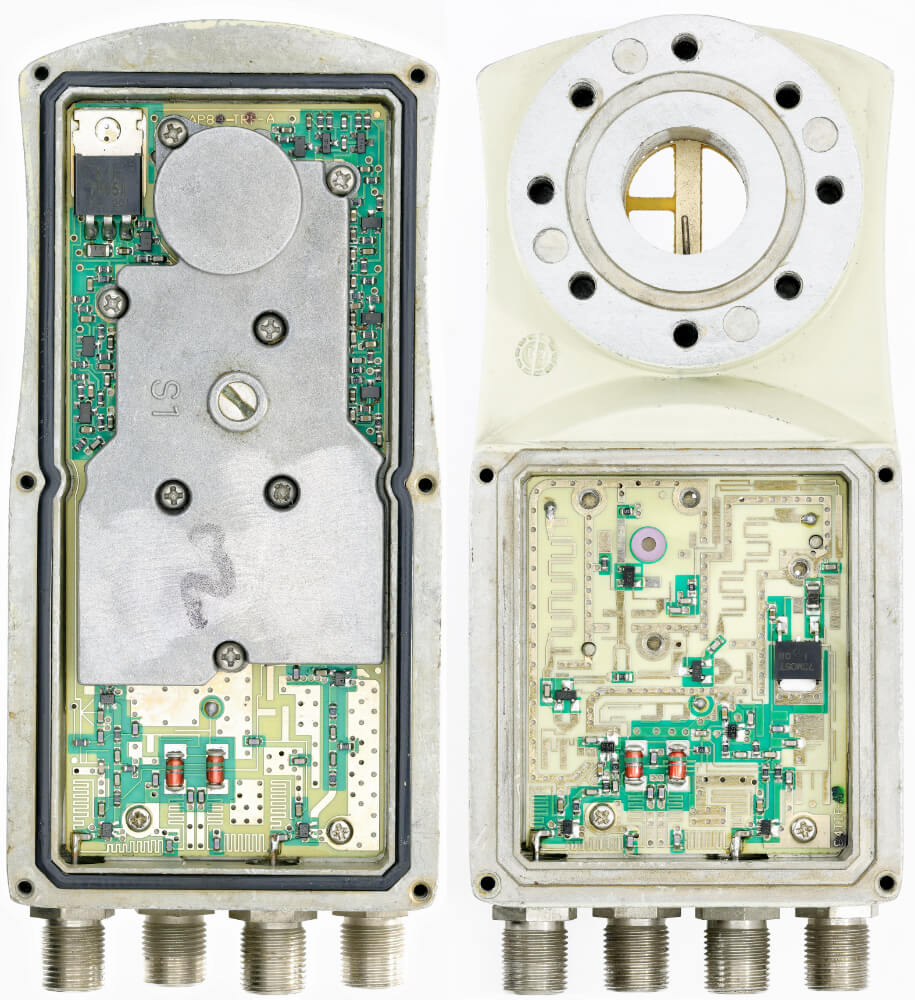
When to Omit Solder Mask on Your PCB Design
What happens if I don’t use a solder mask on my PCB?
When to Omit Solder Mask on Your PCB Design
Read More
Questions from the Web
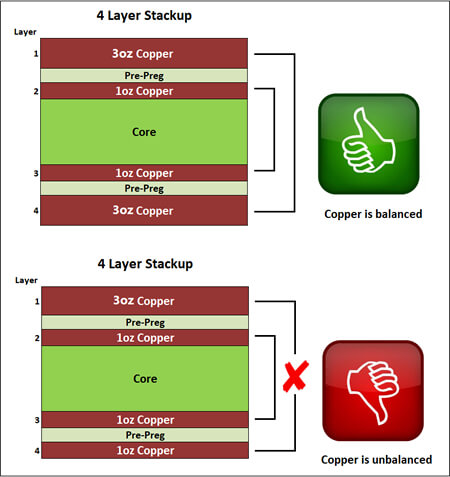
I have a question about the manufacturing capability for copper weights. Is it possible to use different copper weights on the same PCB?
Questions from the Web
Read More
The Importance of Power and Ground Planes in PCB Design
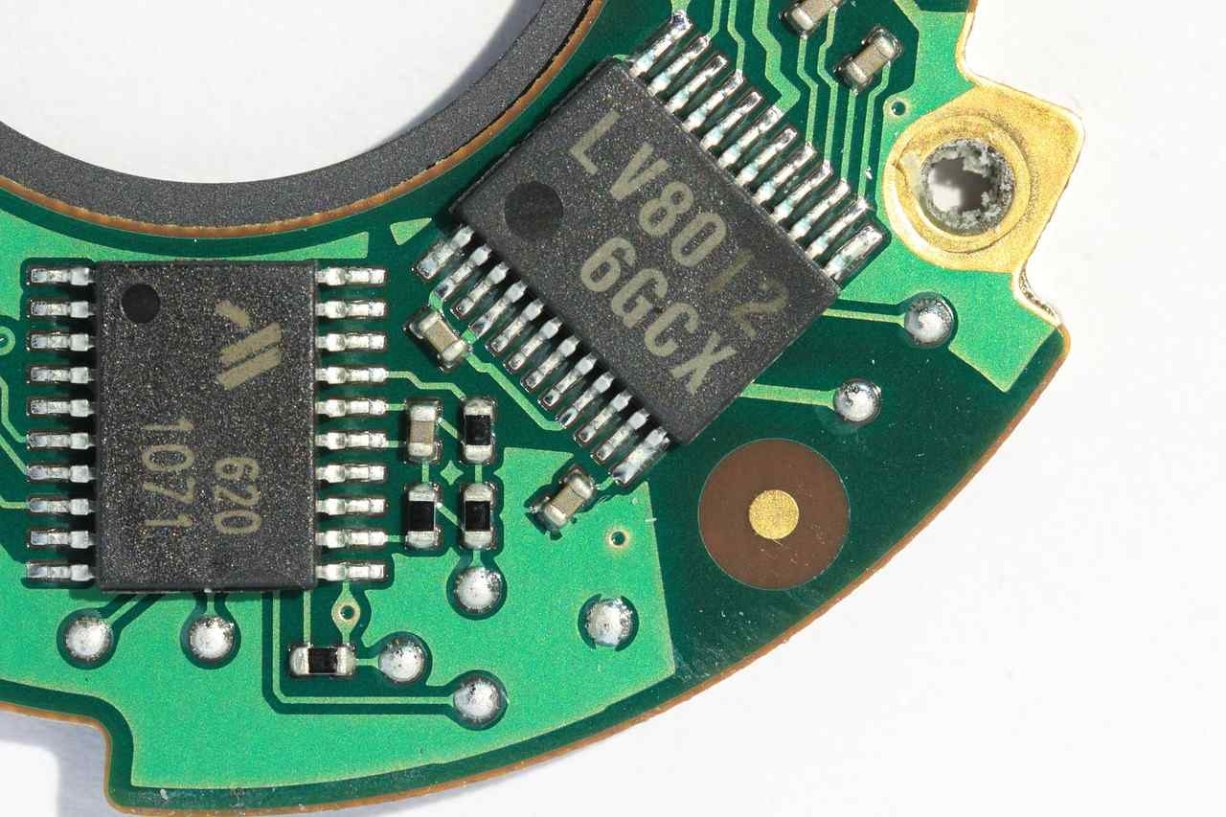
Ground and power planes are large conductive areas in a PCB design that serve diverse purposes. Ground planes provide a common reference point for electrical signals and serve as return paths for currents.
The Importance of Power and Ground Planes in PCB Design
Read More
Advanced PCB Routing Strategies
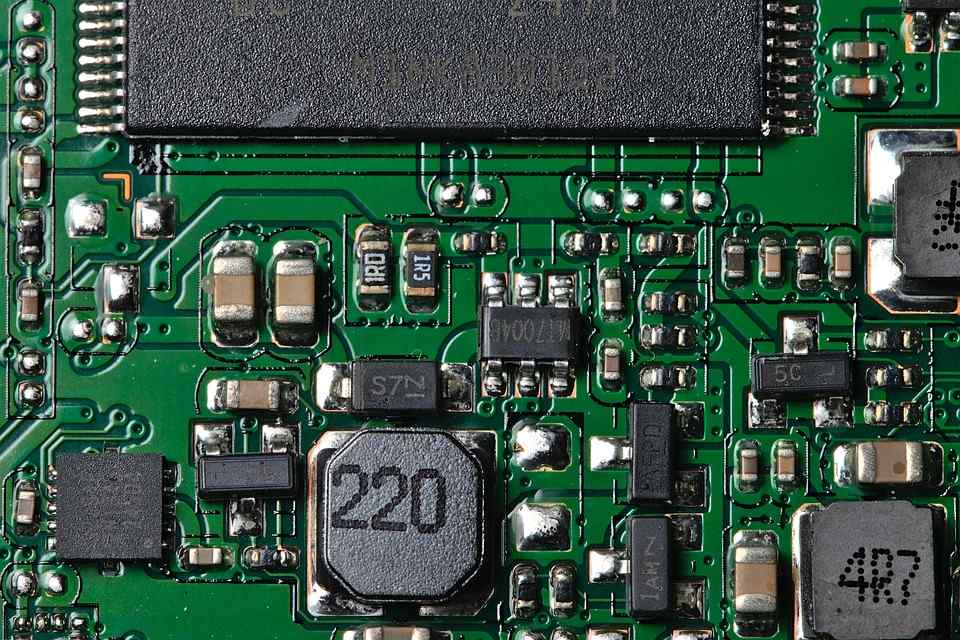
PCB routing is pivotal in ensuring the functionality, signal integrity, manufacturability, and reliability of electronic designs. Conductive traces are more than mere component interconnections or power distribution paths, and through effective routing, engineers can minimize signal degradation, crosstalk, and electromagnetic interference (EMI).
Advanced PCB Routing Strategies
Read More
Browse
All Categories